Introduction to Yoga Nidra Poses
Yoga Nidra Poses are gentle, restorative postures designed to support the practice of Yoga Nidra, often called “yogic sleep.” Unlike active yoga asanas, these poses are meant to be held comfortably for an extended period, allowing the body to fully relax while the mind remains aware.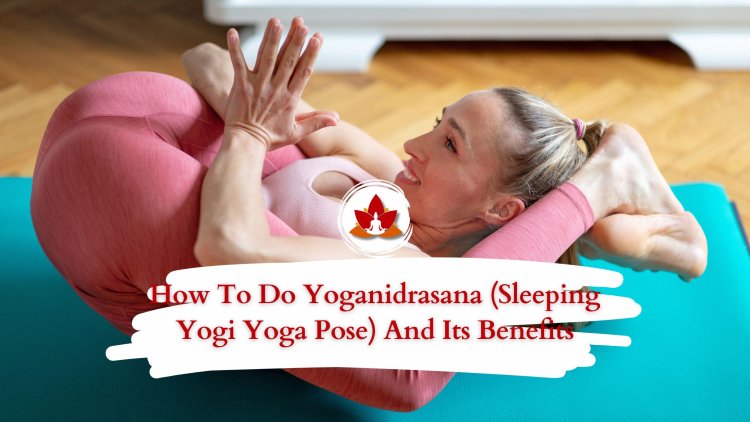 The primary goal of Yoga Nidra is deep rest, healing, and inner awareness, and the poses play a crucial role in creating the right physical conditions for this profound practice. Yoga Nidra Poses help eliminate physical discomfort so that attention can naturally turn inward without distraction.
Understanding the Purpose of Yoga Nidra Poses
The purpose of Yoga Nidra Poses is not flexibility or strength, but complete physical ease. When the body is supported and still, the nervous system shifts from a state of stress to a state of deep relaxation. These poses allow the practitioner to remain motionless for 30 to 60 minutes, which is essential for entering the hypnagogic state between waking and sleeping. Yoga Nidra Poses act as a bridge between the physical body and the subtle layers of consciousness, making them an essential foundation of the practice.Importance of Body Alignment and Support
Proper alignment is essential in Yoga Nidra Poses to prevent strain and restlessness. The spine should be neutral, the joints relaxed, and the muscles fully supported using props such as bolsters, blankets, or cushions. Even minor discomfort can pull awareness back to the body, interrupting the meditative flow. Well-aligned Yoga Nidra Poses encourage stillness, comfort, and a sense of safety, which allows the mind to let go and sink into deeper layers of relaxation and awareness.The Role of Stillness in Yoga Nidra Poses
Stillness is one of the most important elements of Yoga Nidra Poses. Once the pose is set, there should be minimal to no movement throughout the session. This physical immobility signals the brain that it is safe to rest, helping slow brain waves from beta to alpha, theta, and even delta states. Yoga Nidra Poses therefore act as a doorway into deep neurological rest, where healing and subconscious transformation can occur naturally.Commonly Used Yoga Nidra Poses
The most widely used Yoga Nidra Pose is Shavasana, or the corpse pose, as it allows the entire body to rest evenly on the floor. Variations such as supported Shavasana, side-lying positions, or elevated leg poses are also commonly used to accommodate individual needs. These Yoga Nidra Poses ensure comfort for people with lower back pain, pregnancy, or physical limitations, demonstrating that the practice is accessible to all bodies.Benefits of Practicing Yoga Nidra Poses Regularly
Regular practice of Yoga Nidra Poses offers profound physical, mental, and emotional benefits. Physically, they help release chronic tension, improve sleep quality, and support nervous system balance. Mentally, Yoga Nidra Poses enhance clarity, focus, and emotional stability by calming the mind and reducing stress hormones. Over time, consistent practice can lead to improved self-awareness, emotional healing, and a deeper connection to inner stillness.Yoga Nidra Poses and the Nervous System
Yoga Nidra Poses are especially powerful in regulating the autonomic nervous system. By encouraging parasympathetic dominance, these poses help counteract the effects of chronic stress, anxiety, and fatigue. The body learns how to relax deeply and efficiently, even outside of practice. This makes Yoga Nidra Poses particularly beneficial for modern lifestyles that are often dominated by constant stimulation and mental overload.Creating the Right Environment for Yoga Nidra Poses
The effectiveness of Yoga Nidra Poses is enhanced by a calm and quiet environment. A dimly lit room, comfortable temperature, and minimal external disturbances help the body and mind settle more easily. Using eye pillows or light blankets can further enhance the sense of security and warmth. When the environment supports stillness, Yoga Nidra Poses become a powerful gateway to inner awareness and deep rest.Yoga Nidra Poses as a Gateway to Inner Awareness
Beyond physical relaxation, Yoga Nidra Poses prepare the practitioner for deep inner exploration. As the body rests, awareness is guided through breath, sensations, emotions, and imagery. This process allows access to subconscious patterns and promotes self-transformation. Yoga Nidra Poses therefore serve not only as physical postures but as sacred containers for inner work and conscious rest.Conclusion: The Essence of Yoga Nidra Poses
Yoga Nidra Poses are an essential aspect of the Yoga Nidra practice, providing the physical comfort and stability needed for deep relaxation and inner awareness. By supporting the body completely, these poses allow the mind to let go of external concerns and enter a state of conscious rest. With regular practice, Yoga Nidra Poses can transform how the body responds to stress, how the mind processes experiences, and how one connects to inner peace. They remind us that true healing and clarity often arise not from effort, but from deep, supported stillness. Copyright © by the contributing authors. All material on this collaboration platform is the property of the contributing authors.
 Ideas, requests, problems regarding Foswiki? Send feedback